It’s awards season and we need your help!! 🏆
We’ve submitted one of our favorite designs to Luxe Magazine Reader’s Choice Awards.
You can vote once per day until voting closes on February 16.

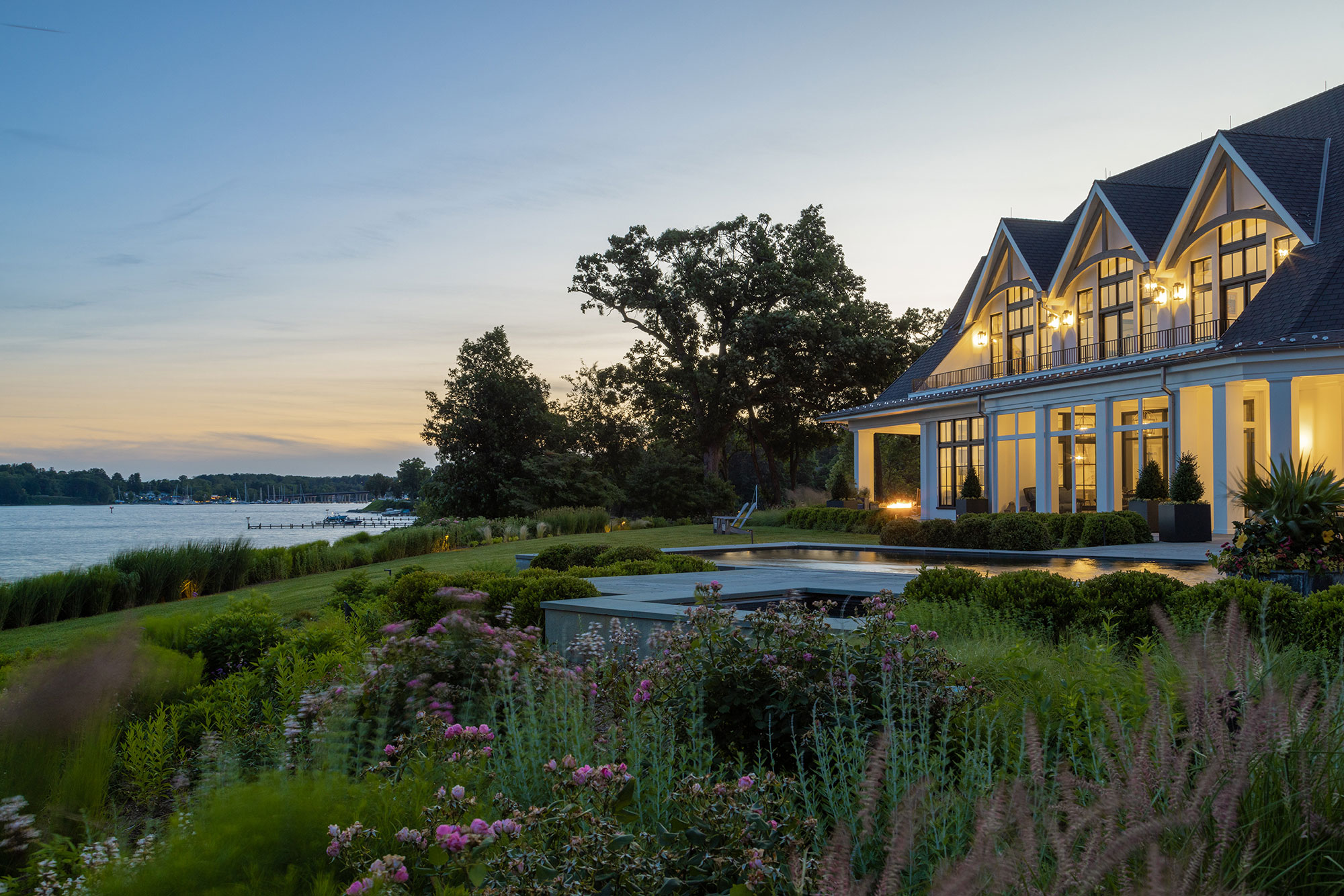

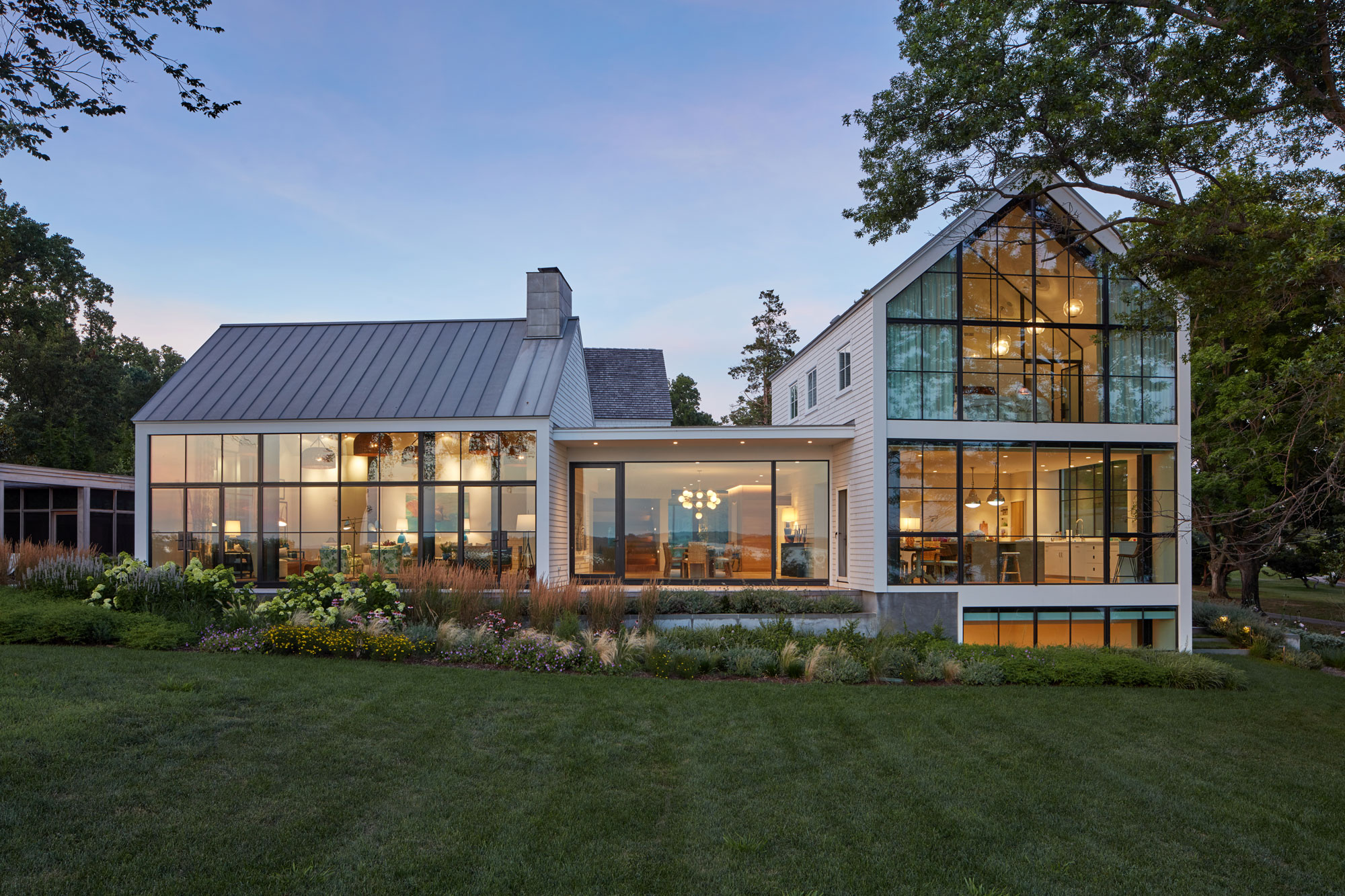
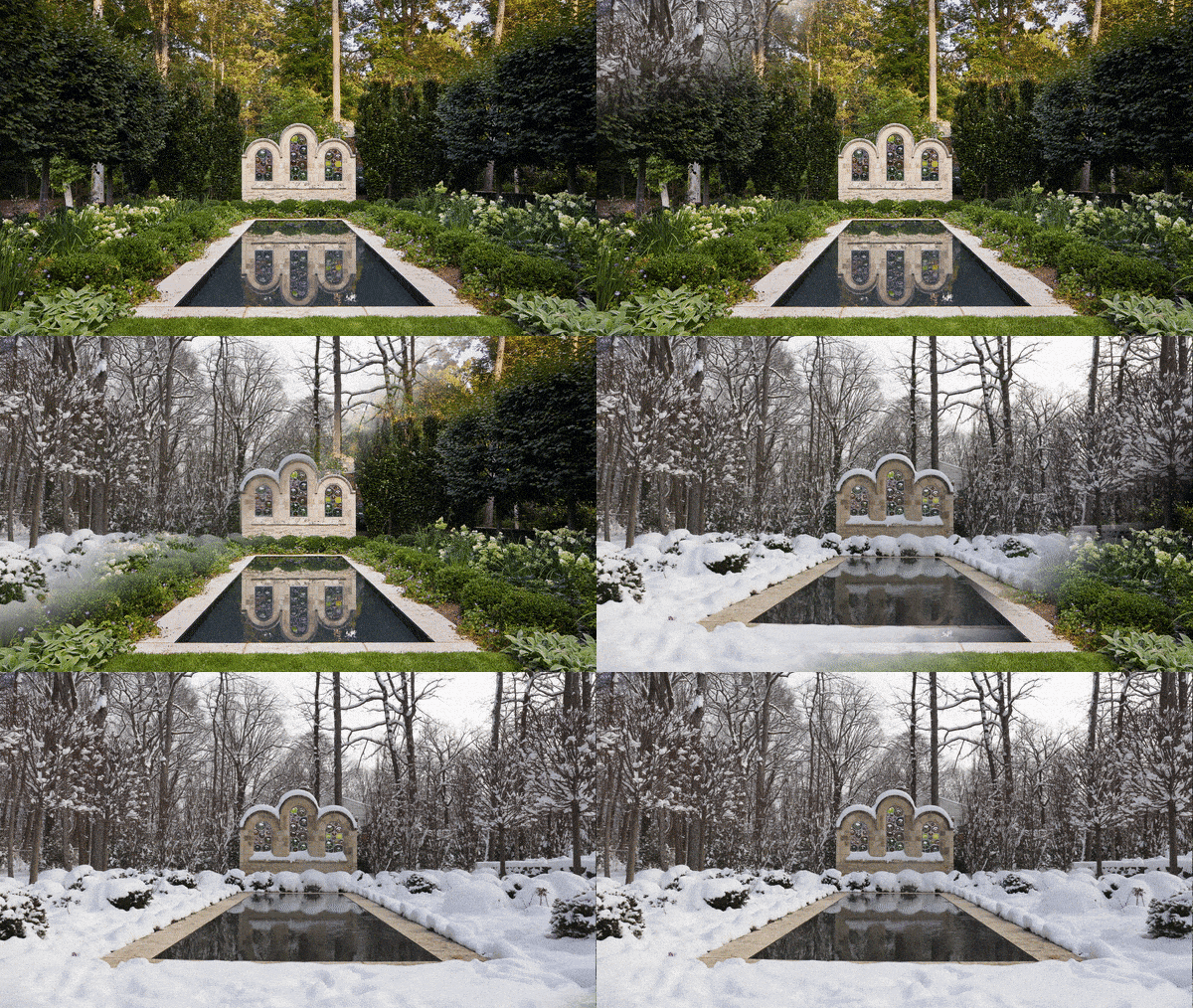


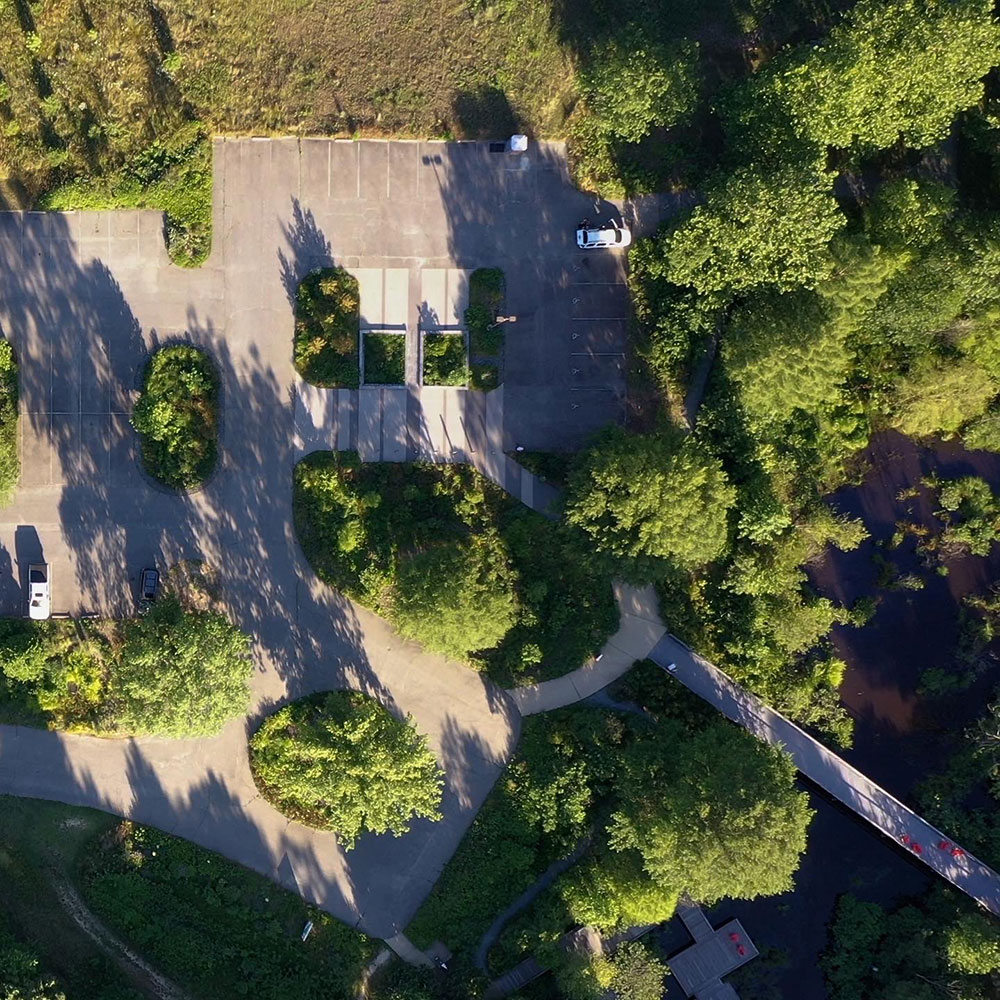
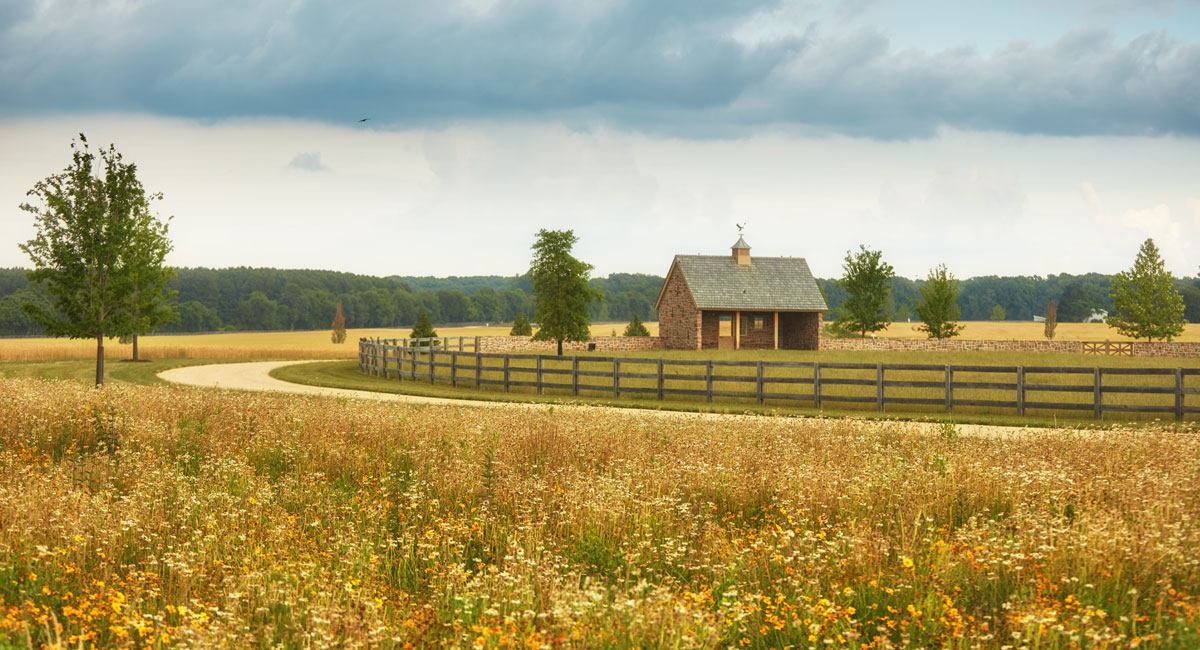
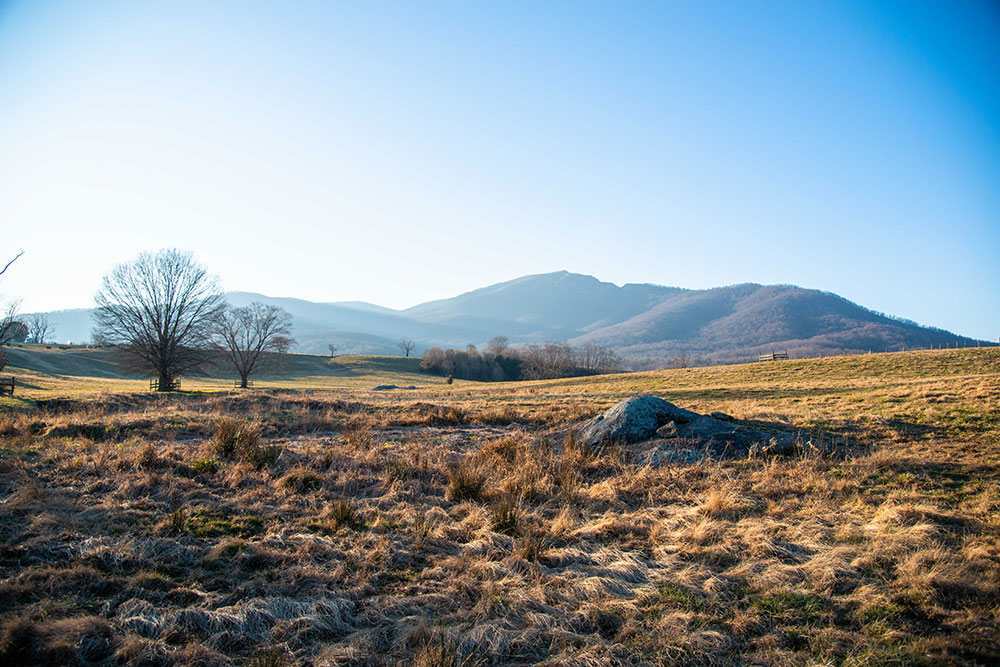
Sprawled at the base of Old Rag Mountain; rolling hills, ancient rock outcroppings, freshwater trout streams, working farmland, and a network of nature corridors make the Etlan Property extremely complex.
The design team set out to conduct a site analysis in order to unpack its holistic potential.
HISTORICAL CONTEXT:
GEOLOGICAL CONTEXT:
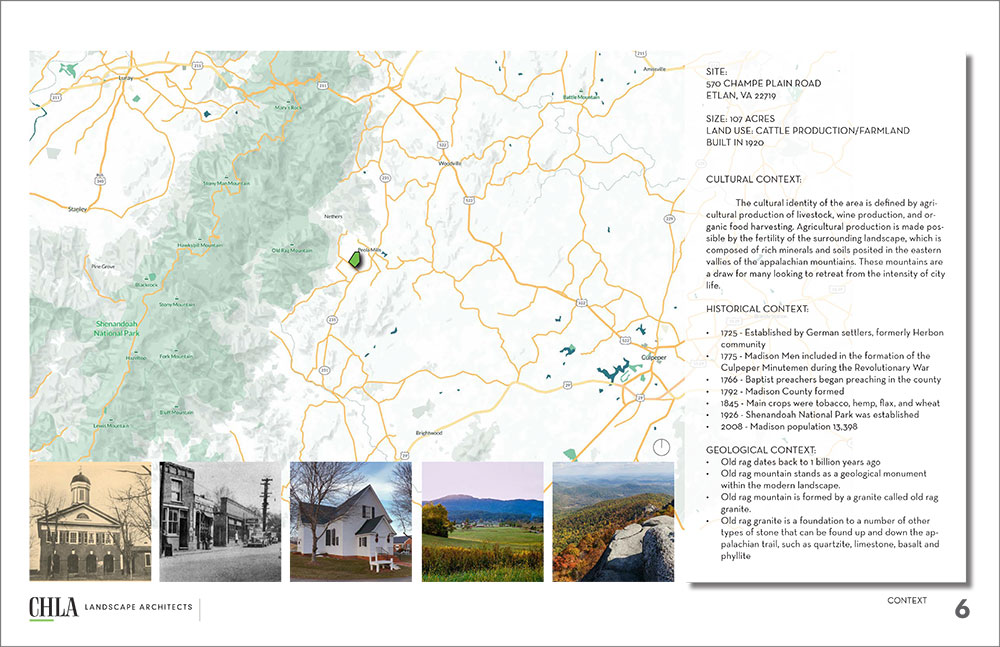
While on site we documented the environmental and cultural conditions through photographs, sketches, and mapping. The cultural identity of the area is defined by agricultural production of livestock, wine production, and organic food harvesting. Agricultural production is made possible by the fertility of the surrounding landscape, which is composed of rich minerals and soils posited in the eastern valleys of the Appalachian Mountains. These mountains are a draw for many looking to retreat from the intensity of city life.
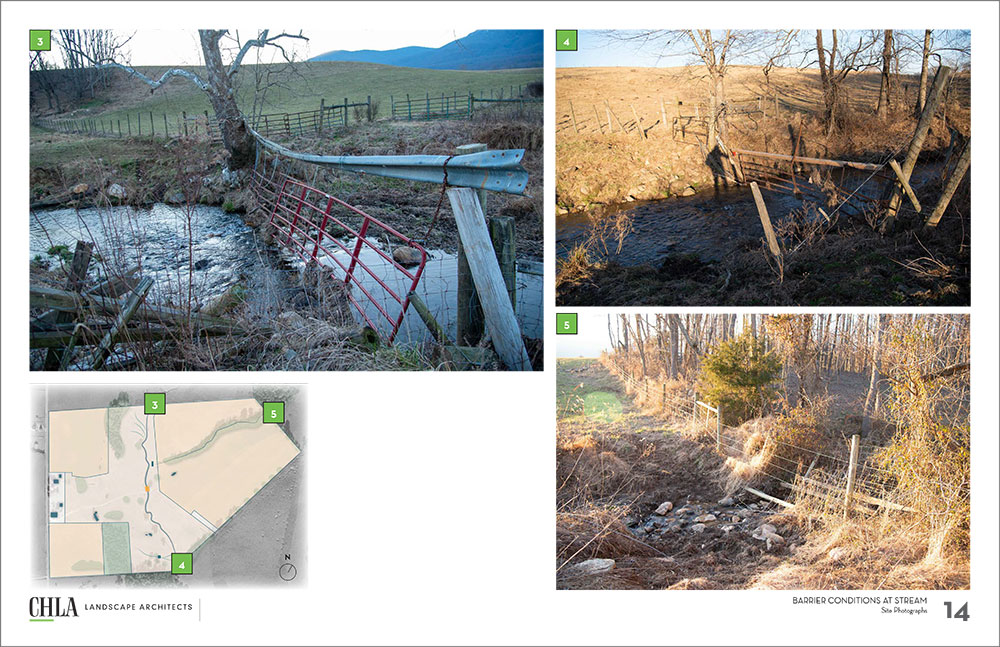
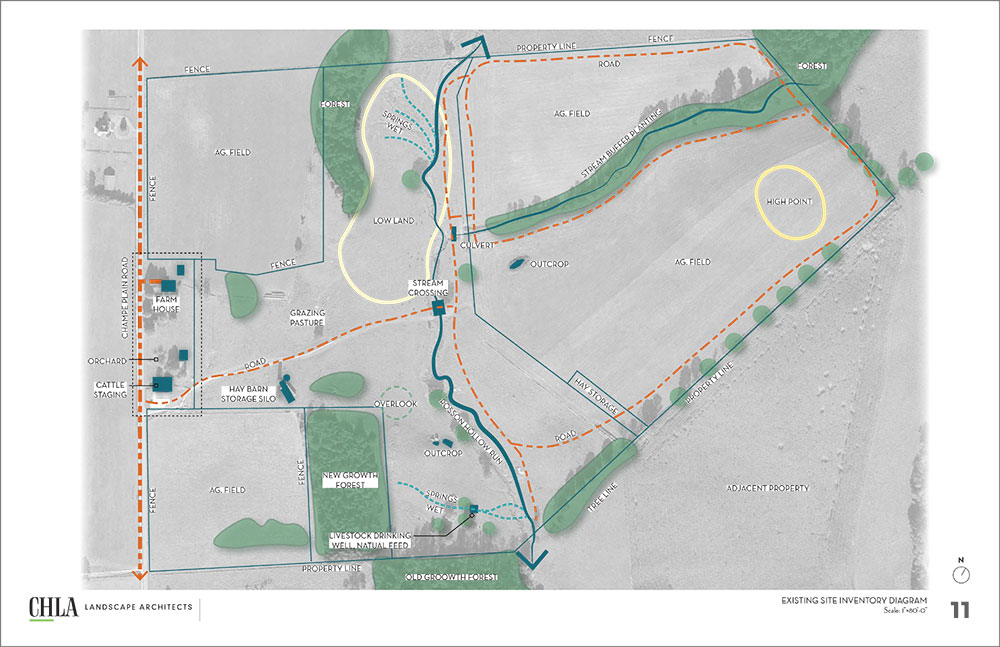
We are excited to continue learning more about the intricate systems at work on this property, and deliver a design that not only meets the expectations of the owners but enhances the natural environment in a beautiful way.
Stay tuned as this project develops!

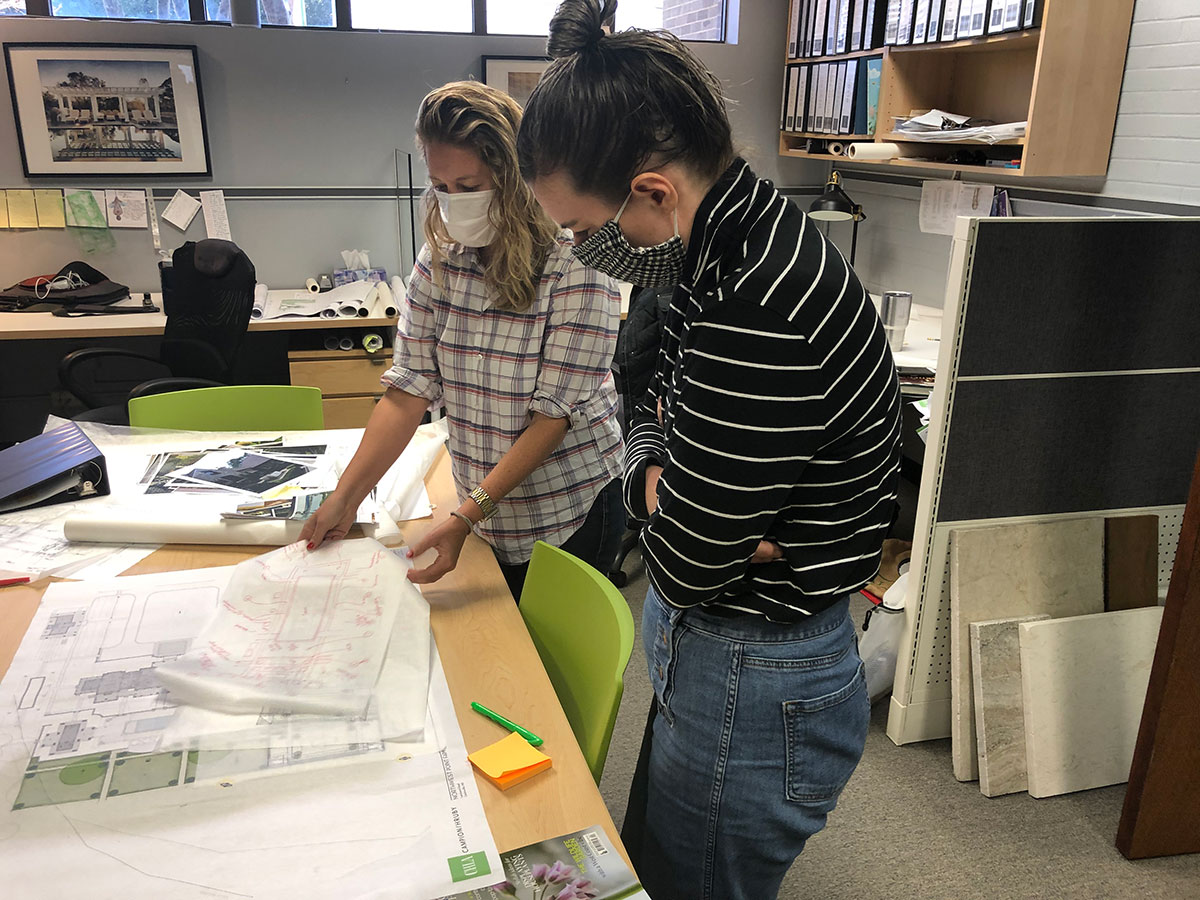
As landscape architects, we often find ourselves meeting people where they are in life. We engage with a client at a precise moment in time, for better or for worse, unknowing of the challenges or triumphs that have beset each of us. This past year, we found the art of listening to be more valuable than the gift of gab. We found consideration and empathy to be more important than speed or efficiency. We found that gratitude for our work and our relationships helped to make us better designers and better people.

Last year we lived through incredibly challenging times. Lives were upended. Relationships with extended family and friends were stressed. People were sick and scared. Yet in this moment of extreme uncertainty, we found the garden to be a tonic for fear and anxiety. We designed pools since local clubs were closed. We created terraces for gathering and pickleball courts for play. We planted colorful and textural gardens for exploration and enjoyment. The garden became one of the only places to gather safely, to talk, and to engage with the seasons, knowing that change always comes. Whether in the pool in July, around the firepit in September, or under the patio heaters with friends in December, we bonded in our gardens and shared our lives with those we love. This connection with nature and with each other has carried us through the darkest days of the coronavirus epidemic. Through it all, we realized, in both mundane and profound ways, that time is our most valued currency and that family and friends are our true treasure. And it was specifically the garden that helped us to reconnect and to persevere. It saved us, and it will save us again this spring when we step back outside to a new world full of health, opportunity, and healing.
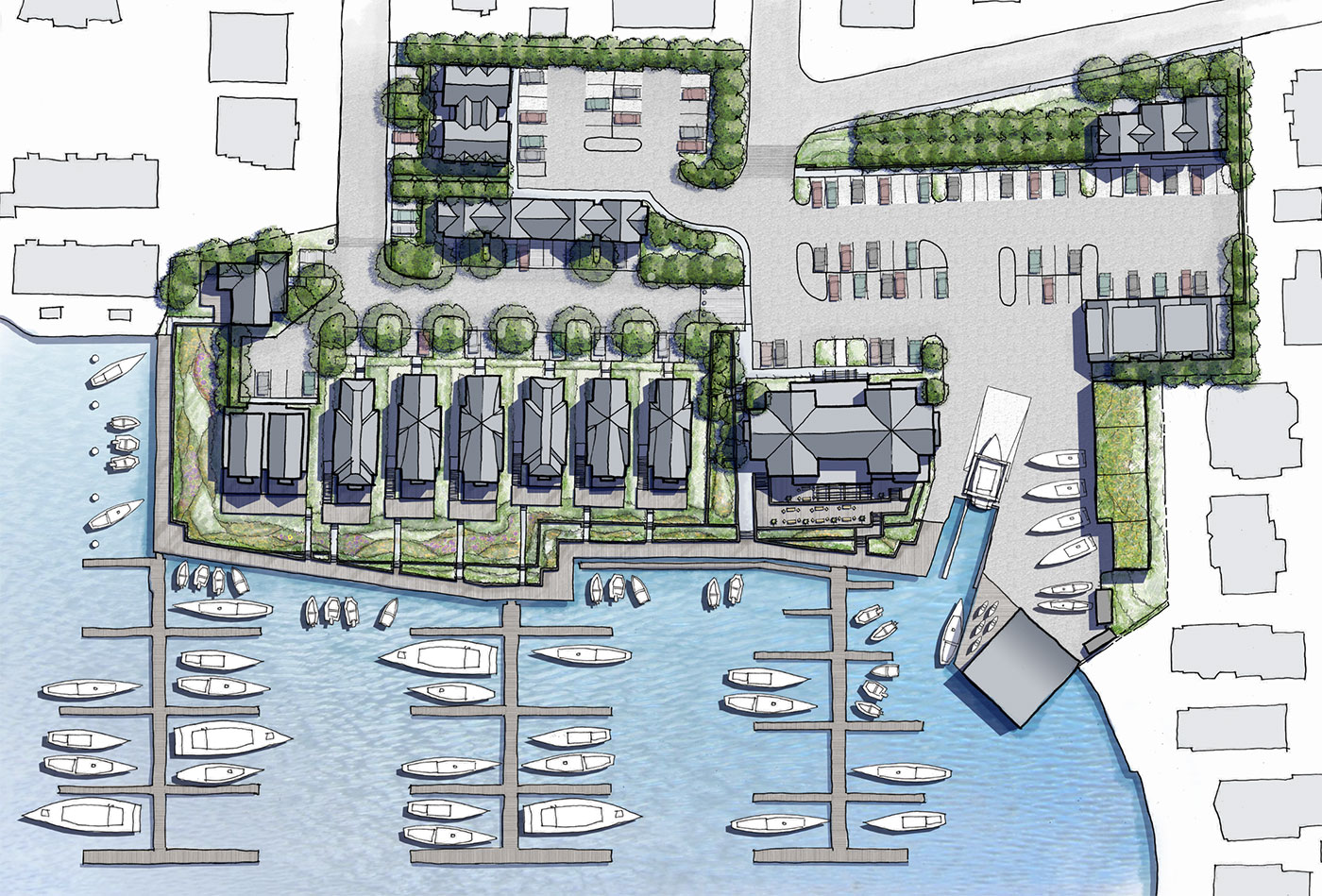
Margins are the nexus of activity and life in any ecosystem. At the margins of fields, forests, and waterways, a disproportionate amount of life and activity occurs. At the South Annapolis Yacht Centre on Spa Creek, this buzz of life has historically been related to human interaction with the water, including a symphony of boats, docks, bulkheads, and avid boaters looking to enjoy time with friends and family. In its most recent chapter of development, however, efforts have been made to create a symbiotic relationship between man and nature. Through both permit requirements and by the will of the owner, a more balanced connection between urban living and the natural environment has been crafted.
The environmental impacts of the South Annapolis Yacht Centre can be categorized in three areas of impact: the reduction of harmful environmental inputs, holistic stormwater management strategies, and conservation planting for urban habitat renewal.
Since its new chapter began in 2014, the South Annapolis Yacht Centre has set out to create an environment that is healthy, thriving, safe, and enjoyable. It all started when two marinas were purchased and more than 100 containers of lingering contaminated waste, including oil, paint, and other toxic chemicals, were removed from the land. These compounds were safely remediated off site. Second, over 20,000 square feet of boat houses hanging over Spa Creek were torn down. The effect of this was a reduction in the shading of submerged aquatic vegetation (SAVs), creating an opportunity for beneficial underwater grasses to regrow and thrive. These grasses will be essential to the resurgent health of Spa Creek by absorbing and recycling harmful chemicals such as nitrogen and phosphorus, and by creating a habitat and a cleaner environment for fish and other organisms to thrive. SAVs only grow where the sun warms the shallow waters, and the removal of the boathouses provided for this specific environment. Third, hundreds of chemically laden creosote pilings were removed from the water and replaced with more environmentally friendly floating docks. Lastly, the simple reduction in the number of allowable boats reduces fuel spills, brings more light to the creek bottom, and increases the quality of marine life.
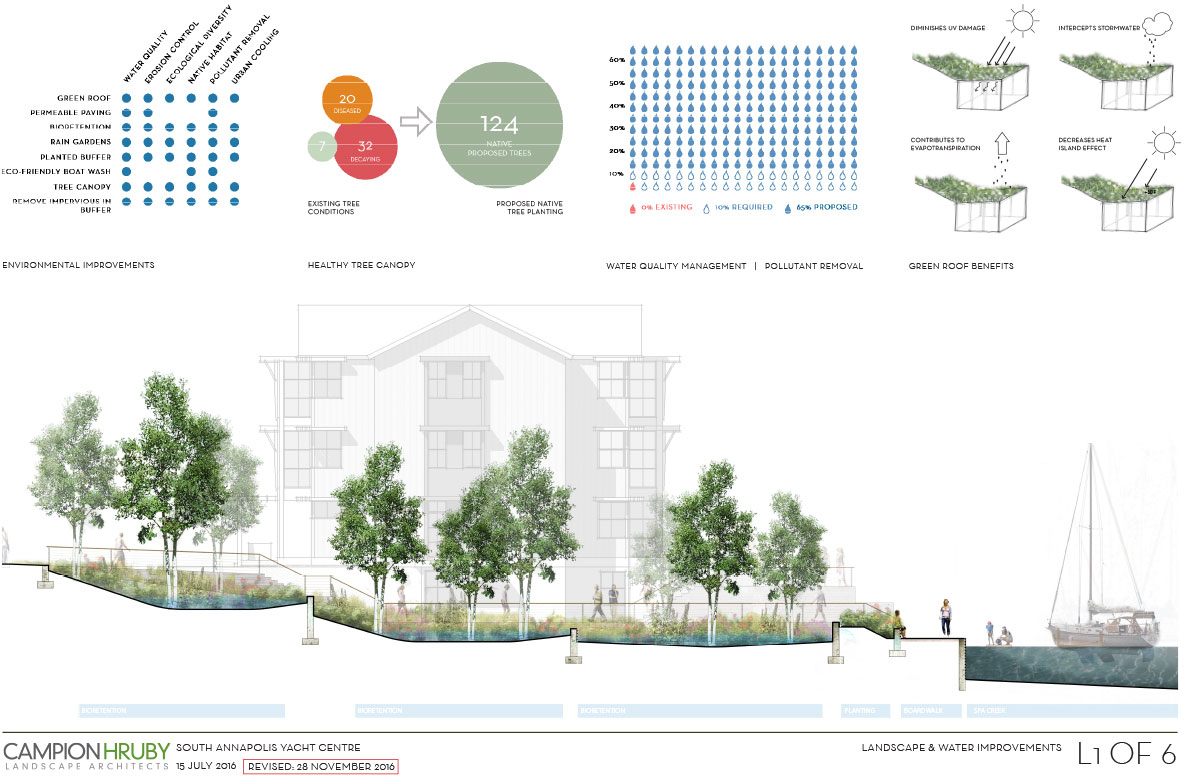
The marina sought to improve water quality in Spa Creek through stormwater management practices that exceed regulatory requirements. The existing site was devoid of any stormwater management, allowing over 2.23 acres of unmitigated stormwater (65,000 gallons) to pour into Spa Creek during each 1” storm event. Through development, the marina was required to mitigate for 50% of a 1” storm event. However, in keeping with the goal of improving water quality for Spa Creek, the proposed design manages 100% of runoff in a typical 1” rain event.
The first stormwater intervention was to reduce the amount of hardscape within the 25-foot waterway buffer. This was accomplished by removing 17% of the existing impervious area, including failing buildings, driveways, walkways, and other derelict elements along the water’s edge. Second, the design team crafted a series of filtering devices that slow and clean stormwater as it passes through the site. When raindrops fall from the sky today, they now pass through a series of specified filters, including pervious paving, rain gardens, green roofs, and micro-bioretention facilities. These interventions not only slow water volumes but also remove more than 65% of suspended pollutants, well above the 10% requirement from the Critical Area Commission. This is in stark contrast to the previous marina conditions where zero pollutants were managed. Lastly, an additional boat wash wastewater containment and treatment system was installed, where none existed previously, to mitigate any future impacts of an active marina on Spa Creek.
The native conservation planting at South Annapolis Yacht Centre provides critical urban habitat. Unlike other marinas where habitat is deficient, the marina embraces the opportunity to create a thriving urban ecosystem. Modeled after the biotic compositions of an upland old field meadow along Boucher Avenue and a tidal wetland along the docks, the planting provides desirable environmental benefits including the fostering of habitat, the improvement of water quality, and the reduction of negative environmental inputs such as mowing and fertilizing.
Mimicking a native old field, the upland meadow is comprised of canopy, shrub, and groundcover layers. As a canopy tree, Eastern Red Cedar (Juniperus virginiana) provides berries that are eaten by over fifty species of birds. Below the canopy, hundreds of understory trees and shrubs provide high wildlife value for songbirds, butterflies and insects. Below these native trees and shrubs, thousands of native grasses were planted, including large swaths of little bluestem (Schizachryum scoparium). These grasses utilize deep roots to bind soils and reduce erosion, while requiring minimal water and fertilizer inputs compared to traditional lawns or non-native plants. They also create sources of food, shelter, breeding, and nesting space for local wildlife.
The plantings along the docks mimic a tidal wetland, absorbing the runoff from higher elevations and reducing harmful pollution from entering Spa Creek. Mirroring a native edge ecosystem, the selected plantings are a blend of trees, shrubs, and grasses. A few of the many contributing species include fringe tree (Chionanthus virginicus), sweet pepperbush (Clethra alnifolia), sweetspire (Itea virginica), rush (Juncus effusus), switchgrass (Panicum virgatum), and sedge (Carex elata). While this blend of plants might look attractive, it is performing a basic function as a filtering sponge to protect the nearby waters of Spa Creek.
All told the plantings at the South Annapolis Yacht Centre include over one hundred twenty trees, hundreds of native shrubs, and over ten thousand grasses and perennials.
SAYC in progress:
